
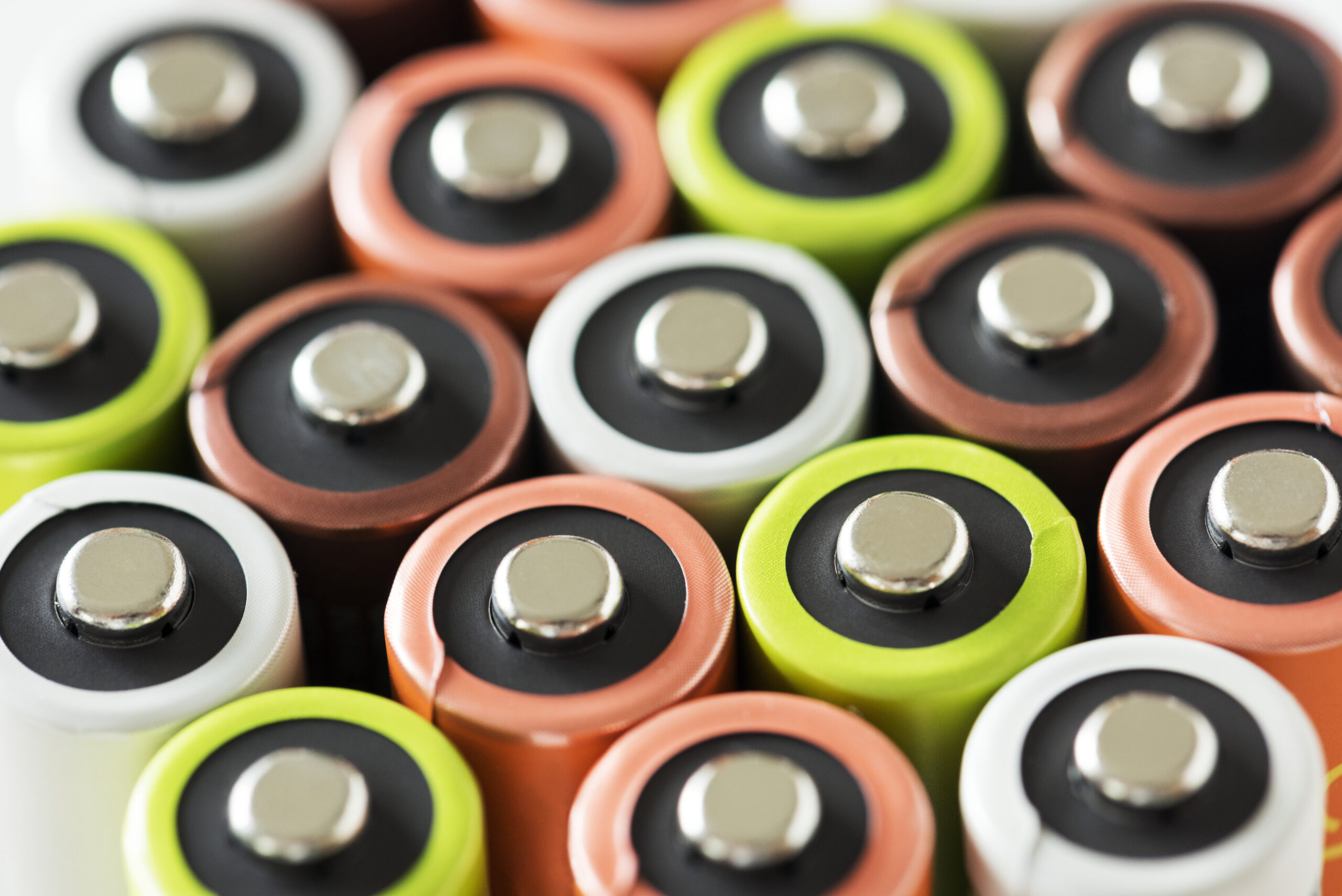
As demand for electric vehicles, renewable energy storage, and portable electronics continues to grow, lithium-ion batteries remain at the forefront of modern energy technology. While much attention is given to battery materials such as lithium, graphite, and cathodes, one of the most critical components of battery performance is the electrolyte.
The electrolyte serves as the medium that allows lithium ions to move between the anode and cathode during charging and discharging. Its composition directly influences battery performance, safety, cycle life, and operating temperature.
What Is a Lithium-Ion Battery Electrolyte?
A lithium-ion battery electrolyte typically consists of a highly conductive lithium salt dissolved in a carefully engineered blend of organic solvents. Together, these components create an environment that enables efficient ion transport while maintaining electrochemical stability.
One of the most widely used lithium salts is Lithium Hexafluorophosphate (LiPF₆), valued for its excellent conductivity and compatibility with commercial battery systems. Other electrolyte salts used for specialized applications include:
- Lithium Tetrafluoroborate (LiBF₄)
- Lithium Perchlorate (LiClO₄)
- Lithium Triflate (LiCF₃SO₃)
The selection of salt depends on the desired balance of conductivity, thermal stability, safety, and battery performance.
The Role of Organic Solvents
The lithium salt is dissolved in one or more high-purity organic solvents that help determine the electrolyte's viscosity, conductivity, low-temperature performance, and overall stability.
Common solvent families include:
Cyclic Carbonates
Cyclic carbonates provide high dielectric constants, helping dissolve lithium salts effectively. Common examples include:
- Ethylene Carbonate (EC)
- Propylene Carbonate (PC)*
Linear Carbonates
Linear carbonates reduce viscosity and improve ionic conductivity, allowing faster ion transport within the battery.
Examples include:
- Dimethyl Carbonate (DMC)*
- Diethyl Carbonate (DEC)
- Ethyl Methyl Carbonate (EMC)
Ether-Based Solvents
Certain battery chemistries utilize ether-based solvents to achieve improved low-temperature performance or specialized electrochemical characteristics.
Examples include:
- 1,2-Dimethoxyethane (DME)
- Tetraethylene Glycol Dimethyl Ether (TEGDME)
- Diethylene Glycol Dimethyl Ether (Diglyme)
Fluorinated Solvents
Advanced battery technologies may incorporate fluorinated solvents such as Fluoroethylene Carbonate (FEC) to enhance battery stability and improve the formation of protective layers on electrode surfaces.
Why Solvent Selection Matters
Selecting the appropriate solvent blend is a critical aspect of electrolyte formulation. The right combination can influence:
- Ionic conductivity
- Battery efficiency
- Charging performance
- Operating temperature range
- Cycle life
- Safety characteristics
- Long-term reliability
As battery technologies continue to evolve, electrolyte formulations are becoming increasingly sophisticated to meet the performance demands of electric vehicles, stationary energy storage systems, aerospace applications, and next-generation electronics.
Supporting the Growing Battery Industry
As the lithium-ion battery market expands globally, manufacturers require reliable sources of high-purity chemical intermediates used in electrolyte formulations.
SMC Global supplies key materials used in battery electrolyte applications, including Dimethyl Carbonate (DMC), Ethylene Carbonate (EC), Ethyl Methyl Carbonate (EMC), and Diethyl Carbonate (DEC).
SMC Global supplies a portfolio of specialty solvents and chemical solutions that support advanced manufacturing across multiple industries, including energy storage and battery technologies. Our commitment to quality, reliable supply, and technical expertise helps customers develop innovative products while maintaining consistent manufacturing performance.
Looking Ahead
Battery innovation continues to accelerate as manufacturers pursue greater energy density, faster charging capabilities, improved safety, and longer service life. Advances in electrolyte chemistry will remain a key contributor to these developments.
SMC Global is committed to supporting customers with high-quality specialty chemicals and the expertise needed to help meet the evolving demands of today's battery manufacturing industry.
* Dimethyl Carbonate (DMC) & Propylene Carbonate (PC) are classified as VOC-exempt compounds under U.S. EPA Regulations
By Scott Guthrie, Director, Solvents - sguthrie@smc-global.com
For more information, send us an email: Customer Service